English
 日本語
日本語 Deutsch
 عربى
عربى 中文
中文

How to ensure the long-term stability and efficient operation of the balcony PV mounting system?
 2025.12.11
 Industry News
Key Factors Affecting Stability and Performance
The stability and efficiency of balcony PV mounting systems are influenced by several factors. These include the quality of the materials used, the installation process, the angle and orientation of the panels, as well as the system's exposure to environmental conditions. A well-installed system that utilizes durable materials and optimal panel positioning will perform more effectively over time. Additionally, regular maintenance is crucial to ensure that the system continues to operate efficiently, addressing wear and tear from weather conditions, physical stress, and electrical component degradation. Through careful planning and ongoing monitoring, the system's longevity can be extended, making it a reliable source of clean energy for the long term.
Material Selection for Durability
Materials used in the construction of balcony PV mounting systems play a significant role in ensuring their durability. Components such as mounting rails, brackets, and the frame of the system need to be resistant to corrosion, rust, and the effects of UV radiation. Stainless steel, aluminum, and certain composite plastics are common choices due to their strength, resistance to weathering, and ability to withstand the mechanical stresses imposed by wind, rain, and temperature fluctuations. For example, aluminum is lightweight, corrosion-resistant, and highly durable, making it a popular choice for mounting rails. Stainless steel, while heavier, offers even greater strength and resistance to harsh environmental conditions. The right material selection will ensure that the system remains stable and operational for many years.
Installation Best Practices
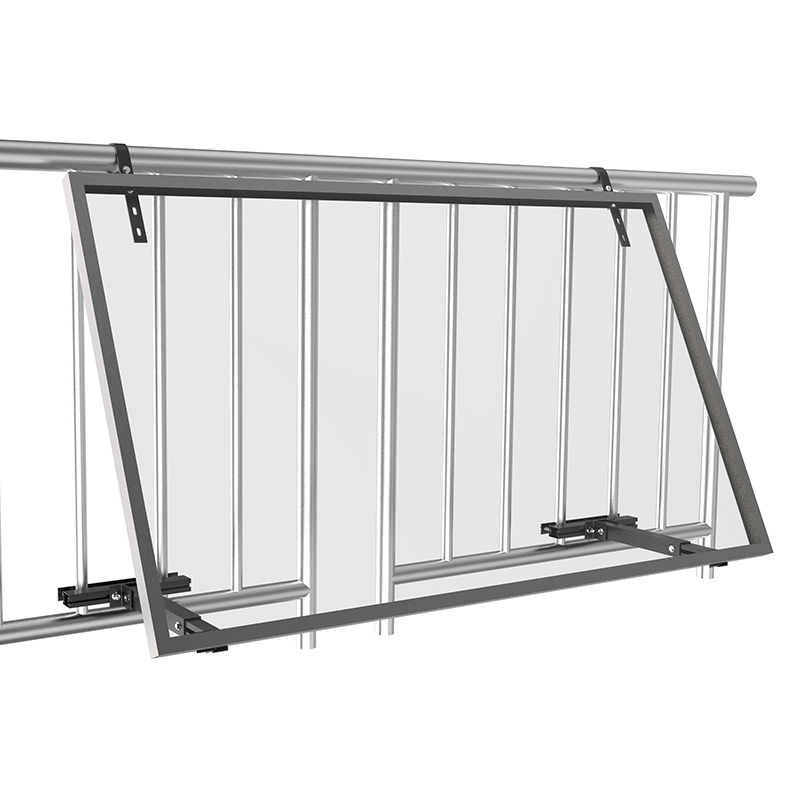
Proper installation is key to ensuring the long-term stability and efficiency of balcony PV mounting systems. The installation process must account for the specific features of the balcony or terrace, including structural integrity and available space. Ensuring that the mounting structure is securely fastened to the building is essential to avoid any movement or shifting of the panels. It is also important to install the system with adequate ventilation to prevent overheating, which can reduce the system's efficiency. Additionally, ensuring that the solar panels are mounted at the optimal angle and orientation will help maximize exposure to sunlight, which is critical for energy production. In general, panels should face the sun for the longest period possible during the day, and the angle should be adjusted according to the geographic location to capture the most sunlight year-round.
Panel Orientation and Angle for Maximum Efficiency
The angle and orientation of the solar panels are critical to ensuring that they operate efficiently. Ideally, the panels should face the sun as directly as possible throughout the day. In the Northern Hemisphere, this typically means positioning panels to face south, while in the Southern Hemisphere, panels should face north. The tilt angle of the panels also impacts their energy production. Too shallow an angle can reduce the system’s efficiency, especially in winter months when the sun is lower in the sky. On the other hand, a too-steep angle may put undue stress on the mounting system and limit the lifespan of the system. Depending on the location and building design, adjustable mounts can be used to change the tilt angle for seasonal optimization. For fixed systems, the angle should be set based on a compromise between summer and winter sun angles to optimize year-round performance.
Environmental Factors and Their Impact on the System
Environmental factors such as wind, rain, snow, and extreme temperatures can significantly impact the performance and stability of balcony PV mounting systems. Wind load is one of the most important factors to consider, as high winds can cause structural stress on the mounting system and may even result in damage to the solar panels. The system must be designed to withstand local wind conditions, which vary depending on the geographical location. Snow accumulation can also add weight to the system, which may lead to mechanical failure or damage if the system is not designed to handle this extra load. In colder climates, ensuring that the panels are kept clear of snow is important to prevent long-term stress on the system. Temperature fluctuations can also affect the system’s components, causing expansion and contraction of materials, which over time can weaken the structural integrity of the mounting system. Systems should be constructed using materials that are capable of withstanding these temperature changes without degrading over time.
Routine Maintenance and Inspections
Regular maintenance and inspections are essential for ensuring the continued efficiency of a balcony PV mounting system. While PV systems generally require little maintenance, there are still critical tasks that need to be performed to ensure the system’s longevity. Regular cleaning of the solar panels is necessary to remove dust, dirt, and debris that can block sunlight and reduce energy production. The frequency of cleaning depends on the local environmental conditions; in areas with high levels of dust or pollution, cleaning may need to be done more frequently. Additionally, periodic inspections of the mounting structure and panels should be conducted to check for any signs of wear, corrosion, or damage. Checking the electrical components, including the inverter and wiring, is also important to identify potential issues before they lead to system failure. Regular maintenance not only ensures optimal performance but also helps prevent costly repairs by catching problems early.
Monitoring System Performance
Monitoring the performance of a balcony PV mounting system is an effective way to ensure that it is operating efficiently. Many modern PV systems come with monitoring tools that provide real-time data on energy production, system status, and any faults that might arise. These monitoring systems can alert users to issues such as a drop in power output, which might indicate problems with the solar panels, electrical connections, or inverter. By proactively addressing performance issues as they arise, users can avoid costly repairs and maintain optimal system performance over the long term. In addition, monitoring tools can provide valuable insights into the system’s overall performance trends, helping to identify any underperforming components or areas that may need improvement.
Upgrading the System for Improved Efficiency
As technology advances, upgrading the components of a balcony PV mounting system can further enhance its efficiency and extend its lifespan. For instance, newer, more efficient solar panels can be installed to improve energy production, or an energy storage system such as batteries can be added to allow for power storage during the day for use at night. Upgrading the inverter to a more efficient model can also help improve the overall energy conversion process. Additionally, incorporating smart grid technologies can allow the system to operate more efficiently by adjusting energy usage based on demand and external factors. While upgrades involve an initial investment, they can significantly increase the system's long-term value and efficiency.
Common Challenges and Solutions
There are several common challenges faced by balcony PV mounting systems. One of the most frequent issues is limited available space, which can restrict the number of solar panels that can be installed. In such cases, optimizing the angle and orientation of the panels becomes even more critical to make the most out of the available space. Shading from nearby buildings or trees can also reduce the system's efficiency. In some cases, it may be possible to trim trees or move objects that cause shading, but careful consideration must be given to maintaining the aesthetic value of the space. Another common challenge is the aesthetic impact of the solar panels on the building’s design. To address this, some systems offer low-profile mounts that minimize the visual impact of the panels, or panels can be integrated into the building’s architecture to make them less obtrusive while still capturing sunlight effectively.
System Performance Comparison
| System Feature | Traditional Mounting System | Balcony PV Mounting System |
|---|---|---|
| Space Requirement | Larger, ground-based space needed | Utilizes limited vertical space |
| Efficiency | Varies based on location and angle | Optimized by angle adjustments |
| Maintenance | Requires periodic cleaning and inspections | Low maintenance but requires regular cleaning |
| Cost | Higher initial setup cost | Lower installation cost for urban settings |
Message Us Now !

 +86-0523-80509588

 11th Floor, Wenchuang Building, 60 Fenghuang East Road, Hailing District, Taizhou City, JiangSu, China
Mounting Systems
Copyright © Taizhou Suneast New Energy Technology Co., Ltd.
All Rights Reserved.
 OEM/ODM Solar Panel Mounting Bracket Manufacturers