English
 日本語
日本語 Deutsch
 عربى
عربى 中文
中文

Is a roof PV mounting system suitable for coastal environments with high salt spray?
 2026.03.05
 Industry News
Environmental Characteristics of Coastal Areas with High Salt Spray
Coastal environments present specific challenges for construction materials and structural systems. High salt spray levels result from seawater evaporation and wind-driven aerosol particles that carry chloride ions into the atmosphere. These chloride particles settle on exposed surfaces, accelerating corrosion processes in metals and degrading certain non-metallic materials over time. In addition to salt exposure, coastal regions often experience high humidity, strong winds, and intense ultraviolet radiation. When evaluating whether a roof PV mounting system is suitable for such conditions, all these environmental factors must be considered collectively rather than in isolation.
Salt spray creates an electrochemical environment that promotes oxidation in steel and other metallic components. Even small imperfections in protective coatings may become initiation points for corrosion. Therefore, material selection, surface treatment, drainage design, and fastening systems are central considerations in determining suitability for coastal installations.
Material Selection in Roof PV Mounting Systems
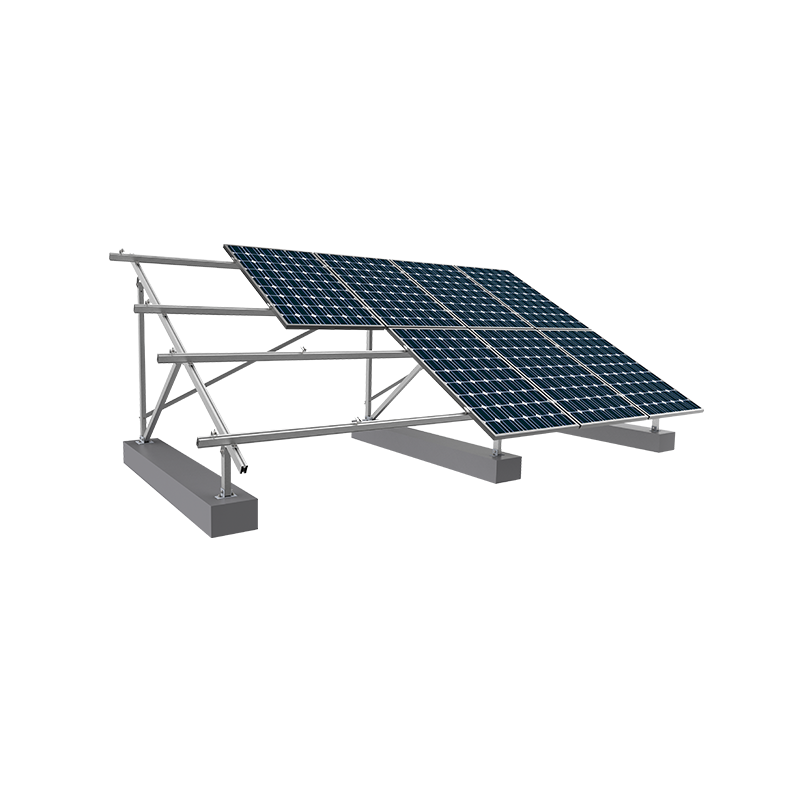
The structural components of a roof PV mounting system are commonly manufactured from aluminum alloys, stainless steel, or carbon steel with protective coatings. In coastal environments, aluminum alloys with appropriate anodizing thickness are frequently chosen due to their natural oxide layer, which provides a degree of corrosion resistance. Stainless steel fasteners, particularly those with higher molybdenum content, are often used to reduce the risk of pitting corrosion caused by chloride exposure.
Galvanized steel may also be used, but its long-term durability depends on coating thickness and maintenance practices. If the zinc layer is compromised, the underlying steel becomes vulnerable to corrosion. For this reason, some coastal projects prioritize aluminum-based systems combined with stainless steel hardware to minimize galvanic reactions and prolong structural stability.
The compatibility between different metals is another factor. When dissimilar metals are in contact in the presence of an electrolyte such as saltwater, galvanic corrosion may occur. Careful design ensures electrical isolation between incompatible materials to reduce this risk.
Surface Treatment and Protective Coatings
Protective coatings serve as the first line of defense against salt spray. Anodized aluminum surfaces increase corrosion resistance by thickening the natural oxide layer. Powder coatings provide an additional barrier that reduces direct contact between salt particles and the metal substrate. In coastal regions, higher coating thickness specifications are often recommended to compensate for prolonged exposure.
For steel components, hot-dip galvanization creates a sacrificial zinc layer that protects the underlying material. However, the effectiveness of this layer depends on environmental severity and coating integrity. Regular inspection is necessary to identify areas where the coating may have been scratched during installation or maintenance.
The following table outlines common materials and their general behavior in high salt spray environments.
| Material Type | Corrosion Resistance in Salt Spray | Maintenance Requirement | Common Application in PV Mounting |
| Anodized Aluminum | Moderate to high depending on thickness | Periodic cleaning | Rails and structural frames |
| Stainless Steel Fasteners | High when appropriate grade is used | Low to moderate | Bolt and clamp connections |
| Galvanized Steel | Dependent on zinc coating thickness | Regular inspection | Support brackets |
| Powder-Coated Components | Barrier protection if coating remains intact | Surface inspection | Exposed structural parts |
Structural Stability Under Combined Coastal Stressors
Salt spray is not the only factor affecting roof PV mounting systems in coastal areas. Strong winds and occasional storms impose dynamic loads on rooftop installations. Structural integrity must therefore account for both corrosion resistance and mechanical strength. Even if materials resist salt-induced degradation, inadequate structural design could compromise safety under high wind conditions.
Wind tunnel testing and structural analysis are often performed to ensure mounting systems can withstand uplift forces and lateral loads. In coastal environments, fastening methods must secure modules firmly while maintaining watertight roof penetration sealing. Corrosion-resistant fasteners are essential because structural performance depends heavily on connection points.
Additionally, drainage design plays a role in minimizing salt accumulation. Proper spacing and inclination allow rainwater to rinse away deposited salt particles, reducing the duration of chloride exposure on surfaces.
Installation Practices and Quality Control
The suitability of a roof PV mounting system in coastal environments is influenced by installation quality. Even high-grade materials can underperform if installed improperly. Scratches, drilling debris, or improperly sealed joints may create localized corrosion points. Installers should follow guidelines that minimize surface damage and ensure that protective coatings remain intact.
Isolation pads or washers can be used to prevent direct contact between dissimilar metals. Sealants applied at roof penetrations must be compatible with both roofing materials and environmental conditions. Proper torque application for fasteners ensures structural stability while preventing coating damage caused by over-tightening.
Routine inspections after installation are particularly important in high salt spray zones. Early detection of corrosion signs allows timely intervention before structural compromise occurs.
Long-Term Maintenance Considerations
Maintenance strategies in coastal areas often include periodic cleaning to remove accumulated salt deposits. Rinsing mounting structures with fresh water can reduce chloride buildup, particularly in areas with limited rainfall. Inspection schedules may be more frequent than in inland installations due to accelerated corrosion risks.
Maintenance personnel should evaluate fasteners, brackets, and rail surfaces for discoloration, pitting, or coating deterioration. Replacing affected components promptly helps maintain system reliability. Documentation of inspection findings contributes to long-term asset management and supports warranty compliance where applicable.
Compliance with Corrosion Testing Standards
Manufacturers often subject roof PV mounting systems to salt spray testing based on recognized standards. These tests simulate corrosive environments by exposing materials to controlled salt fog conditions for specified durations. While laboratory tests cannot replicate every real-world variable, they provide comparative data on material durability.
Coastal project specifications may require mounting systems to meet certain corrosion resistance classifications. Verification through third-party certification can assist project developers in selecting suitable systems for marine environments. However, field conditions such as proximity to shoreline and prevailing wind direction also influence actual performance.
Economic and Lifecycle Considerations
Initial material costs for corrosion-resistant mounting systems may be higher than those designed for mild climates. However, lifecycle analysis often reveals that reduced replacement frequency and lower maintenance intervention can offset the initial investment over time. In coastal environments, premature corrosion may lead to structural repairs that exceed initial material savings.
Project planners evaluate expected service life, inspection intervals, and potential downtime costs when determining system suitability. Selecting materials tailored for high salt spray exposure contributes to predictable maintenance planning and operational continuity.
Integration with Roofing Systems in Coastal Regions
Roof type also influences mounting system performance. Metal roofs in coastal areas may already incorporate corrosion-resistant treatments. Compatibility between the roof substrate and mounting hardware is essential to prevent galvanic reactions. On concrete or tile roofs, anchor points must resist both mechanical loads and corrosive conditions.
Waterproofing measures must remain effective despite salt exposure and thermal expansion cycles. Mounting system design should avoid trapping moisture against the roof surface, as stagnant saline water can accelerate deterioration. Adequate ventilation beneath PV modules helps reduce moisture retention and temperature buildup.
Assessment of Overall Suitability
A roof PV mounting system can be suitable for coastal environments with high salt spray when it is designed with corrosion-resistant materials, appropriate surface treatments, and proper installation practices. The combined consideration of material science, structural engineering, environmental exposure, and maintenance planning determines long-term reliability. Coastal deployment requires a holistic approach that addresses not only salt spray resistance but also wind loads, humidity, and ultraviolet exposure within an integrated design framework.
Message Us Now !

 +86-0523-80509588

 11th Floor, Wenchuang Building, 60 Fenghuang East Road, Hailing District, Taizhou City, JiangSu, China
Mounting Systems
Copyright © Taizhou Suneast New Energy Technology Co., Ltd.
All Rights Reserved.
 OEM/ODM Solar Panel Mounting Bracket Manufacturers