English
 日本語
日本語 Deutsch
 عربى
عربى 中文
中文

How does the corrosion protection treatment of carport PV mounting systems perform in long-term outdoor environments?
 2026.02.19
 Industry News
Overview of Corrosion Challenges in Carport PV Mounting Systems
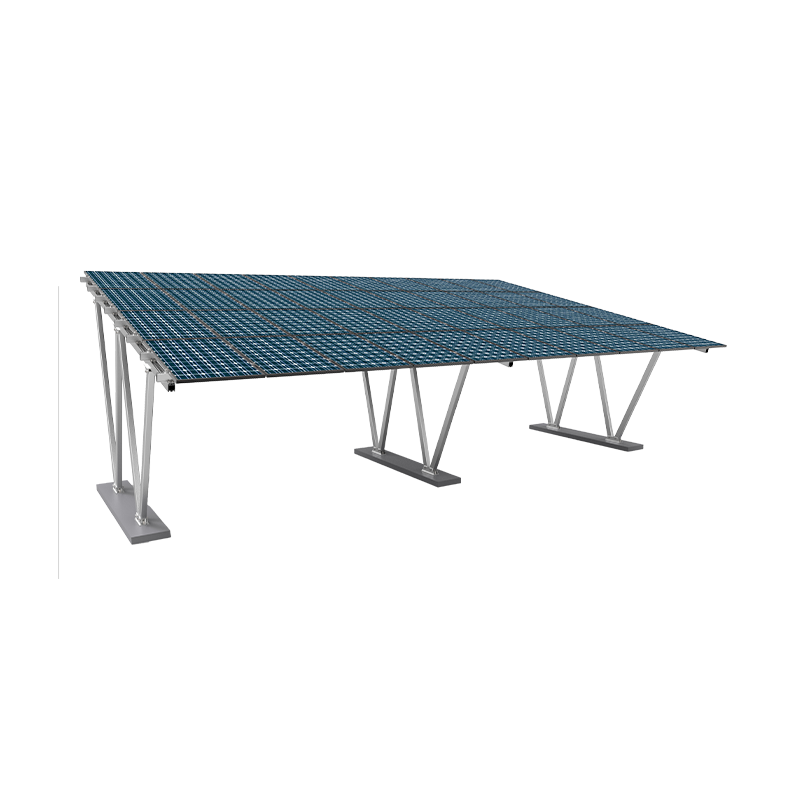
Carport photovoltaic mounting systems are installed in open or semi-open environments where they serve both as structural shelters and as supports for solar panels. These systems are exposed to long-term outdoor conditions such as rain, humidity, ultraviolet radiation, temperature fluctuations, airborne pollutants, and in some regions, salt spray or industrial emissions. Corrosion protection treatment is therefore a central factor in determining how these structures perform over time. The effectiveness of such treatments depends on material choice, coating technology, environmental exposure, and ongoing maintenance practices.
Common Materials Used in Carport PV Structures
Carport PV mounting systems are typically manufactured from steel, aluminum alloys, or a combination of both. Steel components often provide high load-bearing capacity and structural rigidity, while aluminum is favored for its lower weight and natural resistance to certain forms of corrosion. Each material responds differently to outdoor exposure, and corrosion protection treatments are selected based on these inherent characteristics. Understanding the baseline corrosion behavior of these materials helps explain how protective measures perform over extended service periods.
Principles of Corrosion Protection Treatments
Corrosion protection treatments aim to slow down or interrupt electrochemical reactions between metal surfaces and their surrounding environment. These treatments usually function by creating a physical barrier, altering surface chemistry, or providing sacrificial protection. In carport PV mounting systems, treatments must remain effective despite mechanical stress, thermal expansion, and repeated wet-dry cycles. The long-term performance of these treatments is influenced by how well they adhere to the substrate and how they respond to environmental degradation.
Hot-Dip Galvanizing and Its Long-Term Behavior
Hot-dip galvanizing is a commonly used corrosion protection method for steel components in carport PV mounting systems. This process coats the steel with a layer of zinc, which acts as a sacrificial material. Over time, the zinc layer gradually reacts with moisture and oxygen, forming stable compounds that protect the underlying steel. In long-term outdoor environments, galvanizing performance depends on coating thickness, environmental aggressiveness, and mechanical wear. In moderate climates, galvanized coatings can provide stable protection for many years, while in harsher environments the zinc layer may be consumed more quickly.
Aluminum Anodizing and Surface Stability
Aluminum components in carport PV mounting systems often rely on anodizing or surface passivation for corrosion resistance. Anodizing thickens the natural oxide layer on aluminum, creating a harder and more stable surface. This layer reduces susceptibility to uniform corrosion and surface staining. In long-term outdoor use, anodized aluminum generally maintains its appearance and structural integrity well, although abrasive particles or chemical pollutants can gradually affect the oxide layer. The durability of anodizing is closely linked to layer thickness and environmental cleanliness.
Organic Coatings and Paint Systems
Organic coatings, such as powder coating or liquid paint systems, are widely applied to both steel and aluminum carport PV structures. These coatings form a continuous barrier that isolates the metal from moisture and corrosive agents. Their long-term performance depends on coating adhesion, thickness, and resistance to ultraviolet radiation. Over time, UV exposure can cause gradual degradation, leading to chalking, cracking, or loss of elasticity. When the coating integrity is compromised, localized corrosion may begin at exposed areas.
Performance of Combined Protection Systems
In many carport PV mounting systems, multiple corrosion protection methods are combined to improve durability. For example, galvanized steel may also receive an additional organic coating. This layered approach provides both sacrificial protection and a physical barrier. In long-term outdoor environments, combined systems tend to slow corrosion progression more effectively than single-layer treatments, as long as both layers remain intact. The interaction between layers, however, requires careful control during manufacturing to avoid adhesion issues.
| Protection Method | Main Protective Mechanism | Typical Long-Term Behavior |
| Hot-dip galvanizing | Sacrificial zinc layer | Gradual zinc consumption with stable steel protection |
| Anodizing | Thickened oxide layer | Maintains surface stability with limited maintenance |
| Powder coating | Physical barrier | Barrier performance depends on UV and wear resistance |
| Duplex systems | Barrier plus sacrificial action | Extended service life when layers remain intact |
Impact of Environmental Conditions on Treatment Performance
The effectiveness of corrosion protection treatments varies significantly with environmental exposure. Coastal areas introduce salt particles that accelerate electrochemical reactions, placing higher demands on coatings and sacrificial layers. Industrial zones may expose structures to acidic or alkaline pollutants, affecting coating stability. In inland or rural environments, corrosion rates are typically lower, allowing protection treatments to perform more consistently over time. Assessing local conditions is essential when evaluating long-term performance expectations.
Influence of Design Details on Corrosion Resistance
Structural design details can either support or undermine corrosion protection treatments. Sharp edges, tight crevices, and overlapping joints can trap moisture and contaminants, creating localized corrosion sites even when coatings are present. Smooth transitions, proper drainage, and accessible surfaces allow protective layers to perform more evenly. In long-term outdoor use, well-considered design details often make a noticeable difference in how corrosion protection treatments age.
Mechanical Wear and Its Effect on Protective Layers
Carport PV mounting systems are subject to mechanical influences such as vibration, thermal movement, and occasional impact during maintenance or vehicle use. These factors can cause gradual wear or micro-damage to protective coatings. Once the coating is breached, corrosion may initiate at the exposed metal surface. Long-term performance therefore depends not only on the chemical resistance of the treatment but also on its ability to withstand mechanical stress without cracking or peeling.
Role of Fasteners and Connection Points
Fasteners and connection points are often critical areas for corrosion initiation. These components may be manufactured from different materials than the main structure, creating the potential for galvanic interaction. Protective treatments applied to fasteners must be compatible with those used on structural members. In long-term outdoor environments, mismatched treatments can lead to uneven corrosion behavior, even if the main structure remains largely unaffected.
Maintenance and Inspection Over the Service Life
Corrosion protection treatments are not entirely maintenance-free. Periodic inspection allows early detection of coating degradation, surface damage, or localized corrosion. Cleaning accumulated dirt or pollutants can also extend coating life by reducing moisture retention. In long-term outdoor use, maintenance activities help preserve the effectiveness of the original protection treatment and prevent small issues from developing into structural concerns.
Aging Characteristics of Different Treatments
As carport PV mounting systems age, corrosion protection treatments undergo gradual changes. Galvanized surfaces may develop a dull appearance as zinc compounds form, while organic coatings may fade or lose gloss. These visual changes do not always indicate a loss of protective function, but they can signal the progression of aging. Understanding the normal aging patterns of each treatment helps distinguish between cosmetic changes and functional degradation.
Interaction Between Structural Load and Corrosion Protection
Structural load influences how corrosion protection treatments perform over time. Areas under constant stress may experience micro-movement that stresses coatings or oxide layers. Repeated loading and unloading, especially in regions with strong winds or heavy snow, can contribute to coating fatigue. Long-term outdoor performance is therefore linked to both mechanical design and the resilience of the chosen protection treatment.
Adaptation to Regional Standards and Expectations
Different regions apply varying standards for corrosion protection based on climate and regulatory requirements. These standards influence coating thickness, material selection, and testing methods. Carport PV mounting systems designed to meet region-specific expectations are more likely to demonstrate stable corrosion resistance over long-term outdoor exposure. Alignment with local standards also supports predictable maintenance planning.
Feedback from Long-Term Field Applications
Experience from existing carport PV installations provides valuable insight into how corrosion protection treatments perform in real environments. Observations of coating wear, corrosion patterns, and maintenance needs help refine material and treatment choices for future projects. This feedback loop contributes to gradual improvements in long-term corrosion resistance without relying on overly conservative designs.
Balancing Cost, Durability, and Appearance
Corrosion protection treatments must balance initial cost, expected service life, and visual consistency. Some treatments offer longer protection but involve higher upfront investment, while others rely more on periodic maintenance. In long-term outdoor environments, selecting a treatment strategy that aligns with functional requirements and lifecycle expectations supports sustainable operation of carport PV mounting systems.
Message Us Now !

 +86-0523-80509588

 11th Floor, Wenchuang Building, 60 Fenghuang East Road, Hailing District, Taizhou City, JiangSu, China
Mounting Systems
Copyright © Taizhou Suneast New Energy Technology Co., Ltd.
All Rights Reserved.
 OEM/ODM Solar Panel Mounting Bracket Manufacturers