English
 日本語
日本語 Deutsch
 عربى
عربى 中文
中文

Does the ground-mounted PV system include anti-lifting or anti-theft features?
 2026.01.15
 Industry News
Introduction to Ground-Mounted PV Systems
Ground-mounted photovoltaic (PV) systems are widely used for solar power generation, particularly in utility-scale and large commercial installations. These systems offer flexibility in panel orientation, ease of maintenance, and higher energy output compared to rooftop installations. As PV systems represent significant investments, their security features, including anti-lifting and anti-theft measures, have become an essential consideration. Implementing protective mechanisms ensures both physical stability and long-term operational reliability.
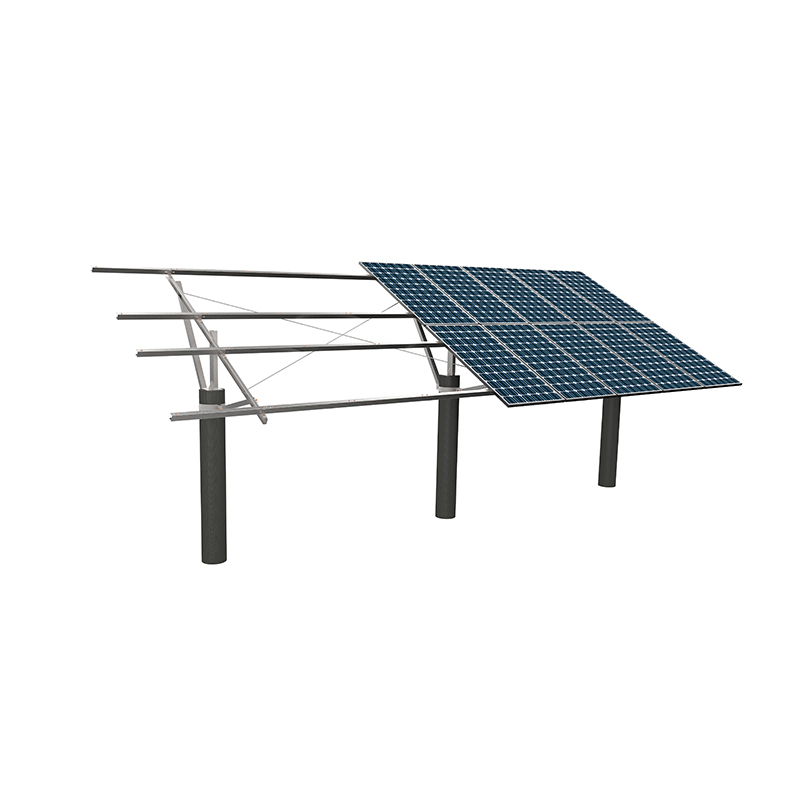
Importance of Anti-Lifting Features
Anti-lifting features in ground-mounted PV systems are designed to prevent panels from being displaced or damaged by strong winds, seismic events, or accidental contact. These mechanisms include secure anchoring of the module frames to the support structure and the foundation. Ground-mounted systems often utilize robust clamps, bolted connections, and reinforced racking components to maintain panel stability under dynamic environmental loads. Properly engineered anti-lifting solutions protect the system from structural failures and reduce maintenance requirements over its operational life.
Mechanisms for Anti-Theft Protection
Anti-theft features aim to prevent unauthorized removal of PV modules or components. Common approaches include specialized locking clamps, tamper-resistant bolts, and unique mounting profiles that require specific tools for disassembly. In addition to physical barriers, some ground-mounted systems integrate monitoring technologies such as surveillance cameras, motion sensors, and remote alarms to deter theft. The combination of physical and electronic measures enhances the security of solar assets, safeguarding both energy production and financial investment.
Design Considerations for Secure Mounting
The design of ground-mounted PV systems incorporates security requirements without compromising operational performance. Anti-lifting considerations include module spacing, wind load calculations, and reinforcement of critical attachment points. For anti-theft protection, designers evaluate the ease of installation and maintenance versus the complexity of disassembly. Intelligent integration of security features ensures that panels remain accessible for routine cleaning or inspection while maintaining high levels of protection against unauthorized interference.
Material and Structural Reinforcement
Materials used in the racking and mounting structure contribute to both anti-lifting and anti-theft performance. High-strength aluminum or steel alloys provide rigidity, corrosion resistance, and long-term durability. Reinforced baseplates, gussets, and cross-members enhance structural integrity, preventing deformation under environmental stress. Additionally, coatings and surface treatments improve wear resistance and reduce the risk of loosening fasteners over time. By selecting appropriate materials and reinforcement strategies, ground-mounted PV systems achieve a balance between security and longevity.
Monitoring and Maintenance Integration
Modern ground-mounted PV systems incorporate monitoring solutions to complement physical anti-lifting and anti-theft features. Sensors can detect panel displacement, unauthorized movement, or tampering, triggering alerts for rapid response. Maintenance routines are designed to inspect security elements such as bolts, clamps, and racking joints to ensure they remain functional. An integrated approach combining physical reinforcement, monitoring, and routine inspection enhances the reliability of security measures and extends the service life of the PV installation.
Table of Security Features for Ground-Mounted PV Systems
| Security Aspect | Implementation | Benefits |
|---|---|---|
| Anti-lifting | Secure clamps, bolted connections, reinforced racking, foundation anchoring | Prevents panel displacement due to wind, seismic activity, or accidental impact |
| Anti-theft | Tamper-resistant bolts, locking clamps, surveillance sensors, remote alerts | Reduces risk of unauthorized removal and protects financial investment |
| Structural reinforcement | High-strength aluminum or steel, cross-members, gussets, coatings | Enhances long-term durability and prevents fastener loosening |
| Monitoring integration | Motion sensors, displacement detection, remote monitoring systems | Enables early detection of tampering or structural issues |
Environmental Considerations for Secure Ground-Mounted PV Systems
Ground-mounted PV systems are exposed to a wide range of environmental conditions, including wind, snow, and rain. Security features must withstand these factors while maintaining system performance. Anti-lifting components are designed based on wind load calculations and structural analysis to prevent panel detachment. Anti-theft elements must resist corrosion and weathering to ensure continued functionality. Proper environmental design ensures that security measures do not degrade over time, preserving both safety and energy production efficiency.
Regulatory and Safety Compliance
Ground-mounted PV systems often need to comply with local building codes, safety standards, and industry regulations. Anti-lifting and anti-theft features are evaluated to meet wind load, seismic resistance, and occupational safety requirements. Compliance ensures that the system can operate safely and reduces liability risks. Additionally, standardized security features facilitate permitting processes and demonstrate adherence to best practices in renewable energy installations.
Cost-Benefit Considerations
Implementing anti-lifting and anti-theft features involves additional upfront investment in materials, design, and monitoring systems. However, these costs are balanced by reduced risk of damage, theft, and maintenance expenses. By preventing losses and ensuring consistent energy generation, secure ground-mounted PV systems provide long-term economic benefits. Decision-makers should evaluate both initial costs and expected returns when selecting security measures, optimizing protection while maintaining system affordability.
Examples of Secure Ground-Mounted PV Installations
Many utility-scale solar farms and commercial PV projects integrate comprehensive security features. Anti-lifting measures include bolted racks, reinforced foundations, and cross-bracing, while anti-theft strategies involve tamper-resistant fasteners and remote monitoring systems. Some installations also employ perimeter fencing and access control to complement system-level protection. Case studies demonstrate that a combination of mechanical reinforcement, monitoring, and regular maintenance achieves reliable protection against both environmental and human risks.
Integration with System Design and Maintenance
Security features should be considered during the initial system design phase rather than as an afterthought. Anti-lifting and anti-theft measures must integrate with racking design, panel layout, and maintenance access. Routine inspections ensure that fasteners remain tight, sensors are operational, and structural elements have not been compromised. By combining design, monitoring, and maintenance, ground-mounted PV systems achieve enhanced operational reliability and asset protection throughout their service life.
Message Us Now !

 +86-0523-80509588

 11th Floor, Wenchuang Building, 60 Fenghuang East Road, Hailing District, Taizhou City, JiangSu, China
Mounting Systems
Copyright © Taizhou Suneast New Energy Technology Co., Ltd.
All Rights Reserved.
 OEM/ODM Solar Panel Mounting Bracket Manufacturers